Forensic Investigation / FILE 01
Forensic Engineering
When a structure fails, the cause matters. Our forensic engineers identify what went wrong, why it happened, and who is responsible. RPEQ-registered, court-ready, and backed by 15 years of investigation experience.
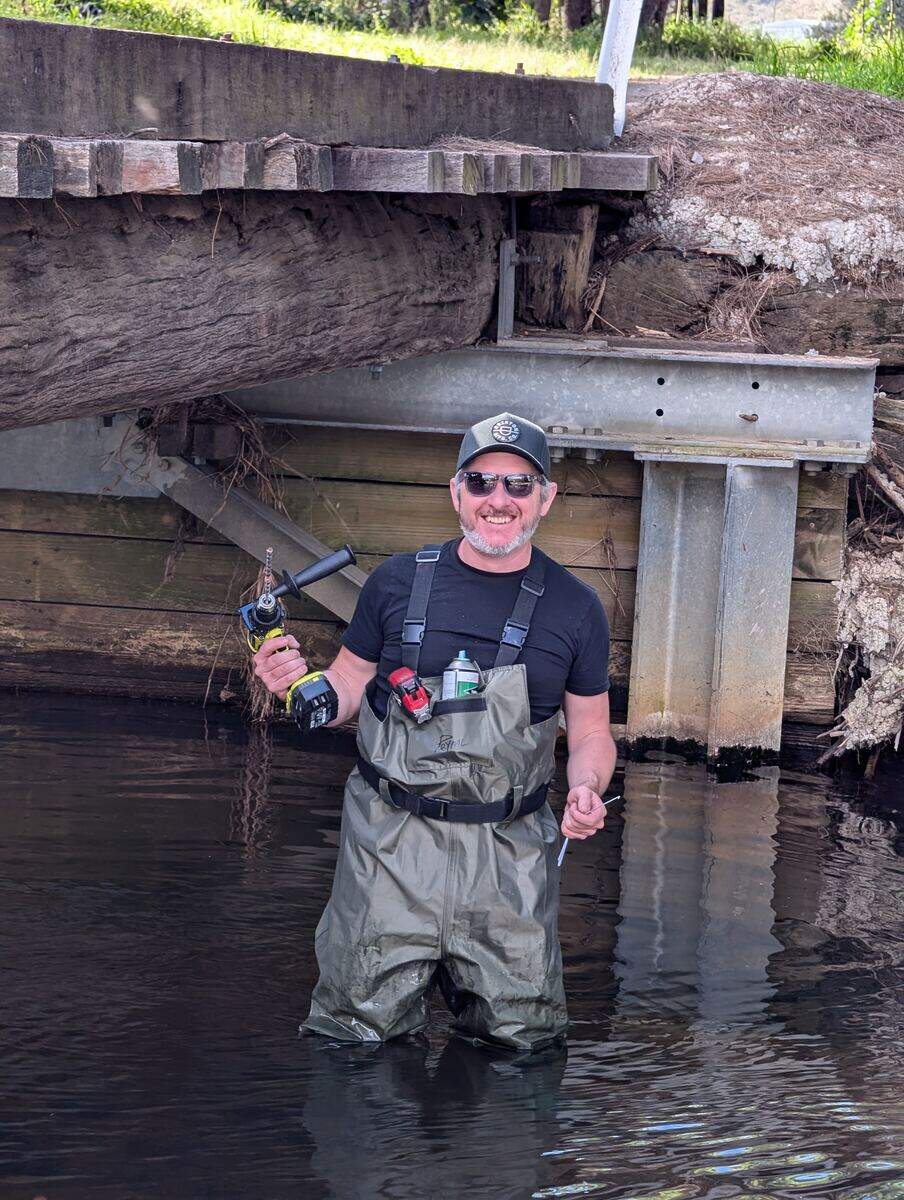 EVIDENCE / FORENSIC-ENG
Forensic engineering is the application of engineering principles to determine the root cause of structural failures, collapses, and defects. Our investigations combine field testing, material analysis, document review, and structural modelling to establish a clear chain of causation.
We investigate failures across all building types and structural systems. Common assignments include concrete slab failures, retaining wall collapses, foundation settlement, post-tensioning tendon failures, and steel connection fractures. Each investigation is led by an RPEQ-registered structural engineer.
Our reports are written for technical and non-technical audiences. They explain what failed, why it failed, and what should be done about it. Reports are structured to withstand cross-examination and are accepted by courts, tribunals, insurers, and regulators across Australia.
We maintain independence in every investigation. Our findings are evidence-based and impartial, whether we are engaged by the building owner, insurer, legal team, or body corporate.
Capabilities
What we deliver
10 deliverables across the forensic engineering engagement.
- 01Root cause failure analysis for structural collapses
- 02Foundation and substructure failure investigation
- 03Post-tensioning tendon and anchorage assessment
- 04Steel connection and weld fracture analysis
- 05Concrete deterioration mechanism identification
- 06Design and construction deficiency assessment
- 07Document review of drawings, specifications, and records
- 08Structural modelling and back-analysis
- 09RPEQ-certified investigation reports
- 10Court-ready documentation with chain of evidence
Process
Our methodology
01
Site Inspection & Evidence Collection
Detailed inspection of the failure site, photographic documentation, material sampling, and preservation of physical evidence before any remediation occurs.
02
Document & Design Review
Review of original design drawings, geotechnical reports, construction records, inspection certificates, and any variation documentation relevant to the failure.
03
Testing & Analysis
Non-destructive and destructive testing of materials, structural modelling and back-analysis, and comparison of as-built conditions against design intent.
04
Reporting & Opinion
Detailed technical report identifying the root cause, contributing factors, responsible parties, and recommended remediation. Structured for legal and tribunal proceedings.
Use cases
Common applications
- Structural collapse investigation
- Building defect disputes (QCAT, NCAT, VCAT)
- Insurance claim technical assessment
- Strata body corporate defect claims
- Construction litigation support
- Government infrastructure failure review
- Post-disaster structural assessment
- Regulatory compliance investigation
Frequently asked questions
5 questions answered.
Q01
What is forensic engineering?
Forensic engineering applies engineering analysis to determine why a structure failed or developed defects. It combines field investigation, material testing, design review, and structural modelling to establish a root cause. Our forensic engineers are RPEQ-registered and prepare reports that are accepted in courts, tribunals, and insurance proceedings across Australia. The goal is to determine what failed, why it failed, when the failure initiated, and who bears responsibility.
Q02
How quickly can you respond to a structural failure?
We offer a 48-hour emergency response for urgent structural failures such as collapses, major cracking events, and post-disaster situations. Early site attendance is critical because evidence can be lost once remediation begins. For insurance-related failures, we recommend engaging a forensic engineer before any repair work starts so that the original failure conditions can be properly documented and preserved for the investigation.
Q03
Are your forensic reports accepted in court?
Yes. Our forensic reports are structured to comply with the Uniform Civil Procedure Rules and the Expert Witness Code of Conduct applicable in each jurisdiction. Our engineers regularly provide expert evidence in QCAT, NCAT, VCAT, District Court, and Supreme Court proceedings. Reports include methodology disclosure, assumptions, limitations, and a clear opinion on causation supported by referenced evidence.
Q04
What is the difference between forensic engineering and a building inspection?
A building inspection documents the current condition of a property at a point in time. Forensic engineering goes further: it investigates why a defect or failure occurred, analyses the mechanism of deterioration, reviews design and construction records, and assigns causation. Building inspections report what is there. Forensic engineering explains how it got that way and who is responsible.
Q05
Can you investigate failures in buildings you did not design?
Yes. The majority of our forensic work involves structures designed and built by others. Independence is fundamental to forensic engineering. We have no relationship with the original designer, builder, or certifier, which ensures our findings are impartial. We review the original design, assess the as-built condition, and form an evidence-based opinion on causation.
Related
Related services
- 01Structural Defect InvestigationIdentifying cracking, subsidence, foundation movement, and construction defects.
- 02Expert Witness & Litigation SupportCourt-ready structural engineering evidence for legal and tribunal proceedings.
- 03Insurance Damage AssessmentIndependent structural assessment for storm, fire, flood, and impact damage claims.
- 04Building Condition AssessmentFull building surveys, dilapidation reports, and capital works planning.