Structural Monitoring / FILE 10
Structural Health Monitoring
Continuous monitoring transforms structural engineering from periodic inspection to real-time data. Our IoT sensor networks measure tilt, strain, displacement, and vibration, with cloud dashboards and automated alerts.
 EVIDENCE / STRUCTURAL-H
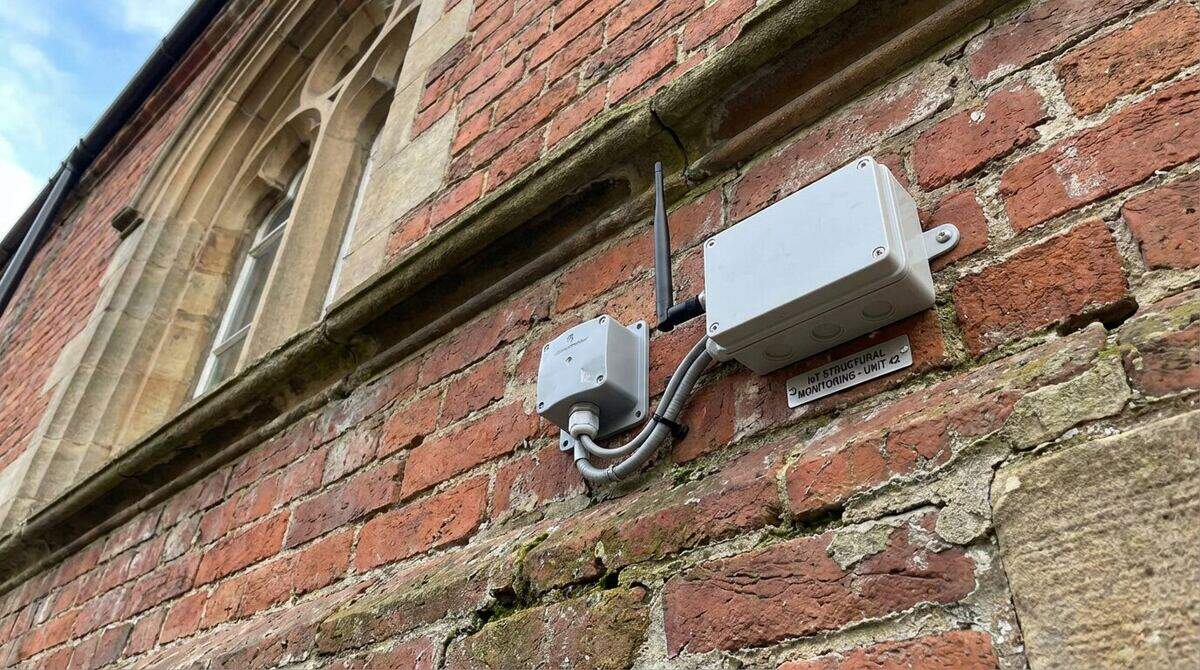
Structural health monitoring (SHM) provides continuous or periodic measurement of structural behaviour using permanently installed sensors. SHM systems detect changes in tilt, displacement, crack width, strain, vibration, and settlement before those changes become visible or critical.
We design and install monitoring systems using digital tiltmeters, crack displacement sensors, strain gauges, accelerometers, and settlement monitoring points. Sensors transmit data wirelessly via 4G or LoRaWAN to cloud platforms, enabling remote access to real-time structural data from any device.
Automated alerts are configured based on engineering analysis. When a measurement exceeds a pre-defined threshold, alerts are sent by SMS and email to nominated personnel. Threshold levels are set at action (investigate), alarm (restrict), and critical (evacuate) levels based on the structural risk profile.
SHM provides a justified alternative to immediate remediation where structural analysis supports continued service with monitoring. It also provides the evidence base for maintenance planning, regulatory compliance, and asset management decisions.
Capabilities
What we deliver
10 deliverables across the health monitoring engagement.
- 01Digital tiltmeter installation for wall and column monitoring
- 02Crack displacement sensor networks
- 03Strain gauge systems for beams and columns
- 04Tri-axial accelerometers for vibration monitoring
- 05Automated settlement monitoring
- 06Cloud-based data dashboard with real-time access
- 07Automated SMS and email alert systems
- 08Threshold configuration based on structural analysis
- 09Battery-powered sensors (1 to 5 year life)
- 10Periodic reporting and trend analysis
Process
Our methodology
01
System Design
Engineering assessment of the monitoring objectives, selection of sensor types and locations, threshold calculation based on structural analysis, and system specification.
02
Installation & Commissioning
Sensor installation, wireless communication setup, cloud platform configuration, and system commissioning with baseline readings and alert verification.
03
Continuous Monitoring
Ongoing data collection, cloud dashboard access, automated alert management, and periodic data review by our structural engineers.
04
Reporting & Interpretation
Periodic monitoring reports with trend analysis, threshold compliance assessment, and engineering interpretation of observed structural behaviour.
Use cases
Common applications
- Heritage building long-term structural monitoring
- Post-repair performance verification
- Adjacent property protection during construction
- Bridge load rating condition monitoring
- Retaining wall and slope stability monitoring
- High-rise building wind response measurement
- Post-earthquake structural assessment
- Mining subsidence area building monitoring
Frequently asked questions
4 questions answered.
Q01
When is structural monitoring recommended instead of immediate repair?
Monitoring is recommended when structural analysis indicates no immediate safety risk but uncertainty exists about whether the condition is stable or progressive. Common scenarios include cracking of unknown cause, minor settlement where the rate is uncertain, structures adjacent to excavation or construction activity, and heritage buildings where intervention should be minimised. Monitoring provides the evidence to make informed decisions about if and when repair is needed.
Q02
How long does structural monitoring typically run?
Crack monitoring requires at least 12 months to capture one full seasonal thermal cycle and distinguish thermal movement from progressive structural cracking. Construction-adjacent monitoring runs for the duration of works plus a stabilisation period, typically 3 to 6 months after completion. Heritage or asset management monitoring may run indefinitely. Settlement monitoring during ground improvement typically runs until rates drop below the specified limit.
Q03
Can I access the monitoring data remotely?
Yes. All monitoring systems include cloud-based dashboards accessible from any web browser or mobile device. Dashboards show real-time sensor readings, historical trends, threshold status, and alert history. Multiple users can be granted access with configurable permission levels. Automated email and SMS alerts are delivered when thresholds are exceeded, without needing to check the dashboard.
Q04
What happens when a monitoring threshold is exceeded?
When a measurement crosses a pre-defined threshold, the system sends automated alerts to nominated personnel. Our engineers review the data within 4 hours of an action-level alert and within 1 hour of an alarm-level alert. We provide engineering interpretation of what the exceedance means, whether it represents an immediate risk, and what response is appropriate. Critical-level alerts trigger immediate contact and may include recommendations to restrict access or evacuate.
Related
Related services
- 01Crack Movement MonitoringDistinguishing seasonal movement from progressive structural cracking with precision sensors.
- 02Construction MonitoringVibration, settlement, and adjacent property monitoring during construction.
- 03Building Condition AssessmentFull building surveys, dilapidation reports, and capital works planning.
- 04Forensic EngineeringRoot cause failure analysis for structural collapses, defects, and disputes.