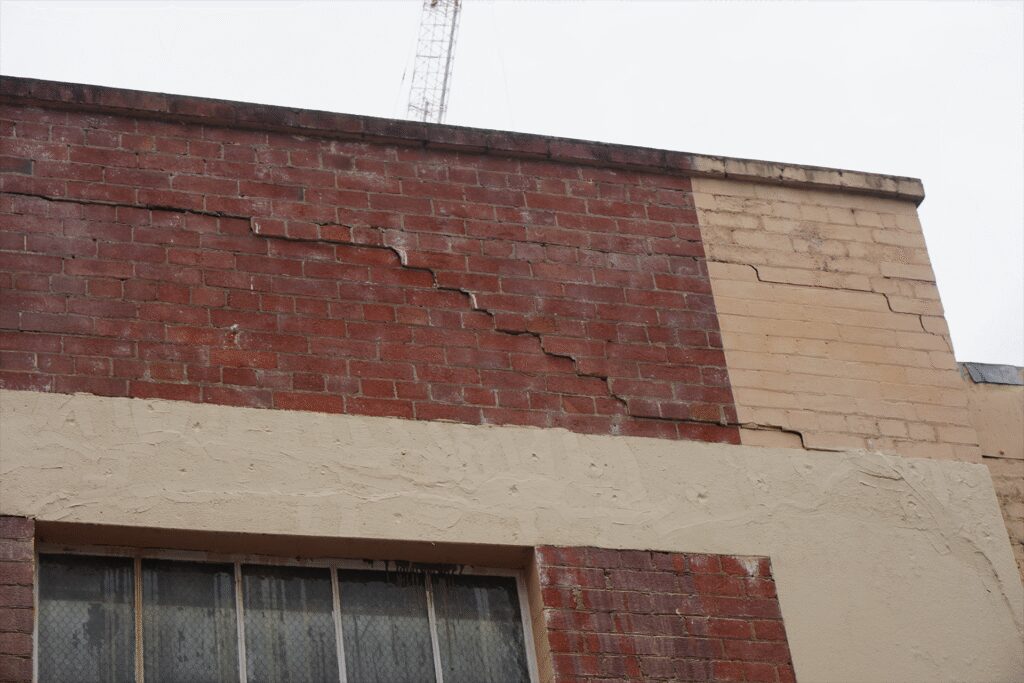
Forensic Engineering Sydney
Our Sydney operations cover Greater Sydney and regional New South Wales. The team delivers structural investigation, expert witness services, and remediation design for a range of building and infrastructure types, from heritage sandstone warehouses to modern highrise towers. Site teams are deployed from Brisbane for scheduled inspection programmes and emergency responses.
Forensic engineering in Sydney
Sydney's building stock is among the most complex and varied in Australia. The CBD and inner-city precincts house a mix of Victorian sandstone heritage buildings, early-to-mid 20th century reinforced concrete framed structures, and post-war curtain wall tower buildings. Each construction era presents distinct deterioration mechanisms and investigation challenges that require deep technical knowledge of both the materials and the construction practices of the time.
The combustible cladding issue has generated a sustained pipeline of facade investigation and remediation work across Greater Sydney. Many residential towers built between 1990 and 2015 have aluminium composite panels or similar non-conforming materials on their facades, requiring condition assessment, fire risk evaluation, and remediation specification. Our team has assessed dozens of affected buildings across metropolitan Sydney.
New South Wales operates its own strata legislation under the Strata Schemes Management Act 2015 and the Home Building Act 1989. Defect liability investigations must be structured to comply with these requirements. Reports prepared for NCAT proceedings follow the Evidence Act 1995 and the Uniform Civil Procedure Rules 2005. Our engineers are familiar with the procedural requirements across all NSW tribunals and courts.
Sydney's coastal geology creates challenging foundation conditions. Expansive clay soils in the western suburbs cause differential foundation movement, particularly after drought-and-flood cycles. Rock-cut excavations in the eastern suburbs and North Shore produce lateral earth pressure issues that affect neighbouring structures. We investigate foundation movement, retaining wall failures, and underpinning requirements across the full range of Sydney soil profiles.
Coverage area
Sydney CBD, Inner West, Eastern Suburbs, North Shore, Northern Beaches, Western Sydney, Wollongong, Newcastle, Central Coast, and regional NSW.
Sydney investigations are coordinated from our Brisbane office. Inspection appointments are typically scheduled within 5 to 10 business days. Emergency response is available with same-day mobilisation for urgent structural situations.
Local context
Sydney-specific investigation challenges
Climate, geology, building stock, and local legislation all shape the nature of forensic engineering work in Sydney. Our team understands these local factors.
01 / 04
Combustible cladding assessment
Many Sydney towers require facade condition assessment and fire risk evaluation for aluminium composite panel systems. We assess cladding attachment, fire spread risk, and prepare remediation specifications.
02 / 04
NCAT expert witness reports
NSW strata defect disputes frequently escalate to NCAT. Our engineers prepare compliant expert reports and give oral evidence in tribunal proceedings across Sydney and regional NSW.
03 / 04
Heritage sandstone structures
Sydney's sandstone heritage buildings require specialist knowledge of the material's deterioration mechanisms. We investigate salt crystallisation, moisture penetration, and structural cracking in heritage-listed sandstone buildings.
04 / 04
Differential foundation movement
Western Sydney's reactive clay soils cause differential settlement and heave in residential and light commercial buildings. We identify the moisture-related mechanisms driving movement and recommend appropriate remediation.
Recent investigations
Selected Sydney projects
- 01
Inner-West Apartment Tower Cladding Review
StrataFacade condition survey and fire risk assessment for combustible cladding on 12-storey residential tower
- 02
Sandstone Heritage Warehouse Structural Assessment
HeritageStructural integrity investigation and conservation engineering specification for 1890s warehouse conversion
- 03
Western Sydney Residential Defect Investigation
ResidentialFoundation movement and cracking investigation across 24 terrace homes in reactive clay soil
Frequently asked questions
Sydney forensic engineering FAQs
Q01
Can you prepare an expert witness report for an NCAT building dispute in Sydney?
Yes. Our engineers prepare expert reports for NCAT Home Building Division proceedings involving building defects, construction disputes, and strata common property issues. Reports comply with the Uniform Civil Procedure Rules 2005 and the Expert Witness Code of Conduct. We attend expert conclaves, joint conferences, and give oral evidence at NCAT hearings as required.
Q02
Do you assess combustible cladding on Sydney apartment buildings?
Yes. We assess facade systems including aluminium composite panels, expanded polystyrene cladding, and similar materials for fire risk and structural adequacy. Assessments include cladding attachment inspection, fire spread risk evaluation, and preparation of remediation specifications. Reports can be structured to meet the requirements of the NSW Cladding Taskforce and local council compliance orders.
Q03
How do you handle strata defect investigations under NSW legislation?
NSW strata defect work is governed by the Strata Schemes Management Act 2015 and the Home Building Act 1989. We prepare reports that address the statutory defect categories, document common property versus lot owner defects, and provide remediation cost estimates for special levy planning. Our reports are structured to support body corporate committee decisions and NCAT proceedings.
Q04
Can you investigate foundation movement in Western Sydney clay soils?
Yes. Foundation movement investigation in reactive clay soils is a standard part of our residential and light commercial investigation practice. We assess crack patterns, measure differential movement, evaluate site classification against AS 2870, and identify the moisture-related mechanisms driving movement. Reports include remediation recommendations such as soil moisture management, drainage improvements, and underpinning where required.
Other locations
We operate Australia-wide
Forensic investigations across all major Australian capital cities and regional centres.