Forensic Engineering Melbourne
Our Melbourne operations provide forensic engineering services across Greater Melbourne and Victoria. The city has a significant stock of reinforced concrete buildings from the post-war period, many now exhibiting serious carbonation and corrosion, alongside a steady pipeline of strata defect investigations driven by the VCAT building dispute jurisdiction.
Forensic engineering in Melbourne
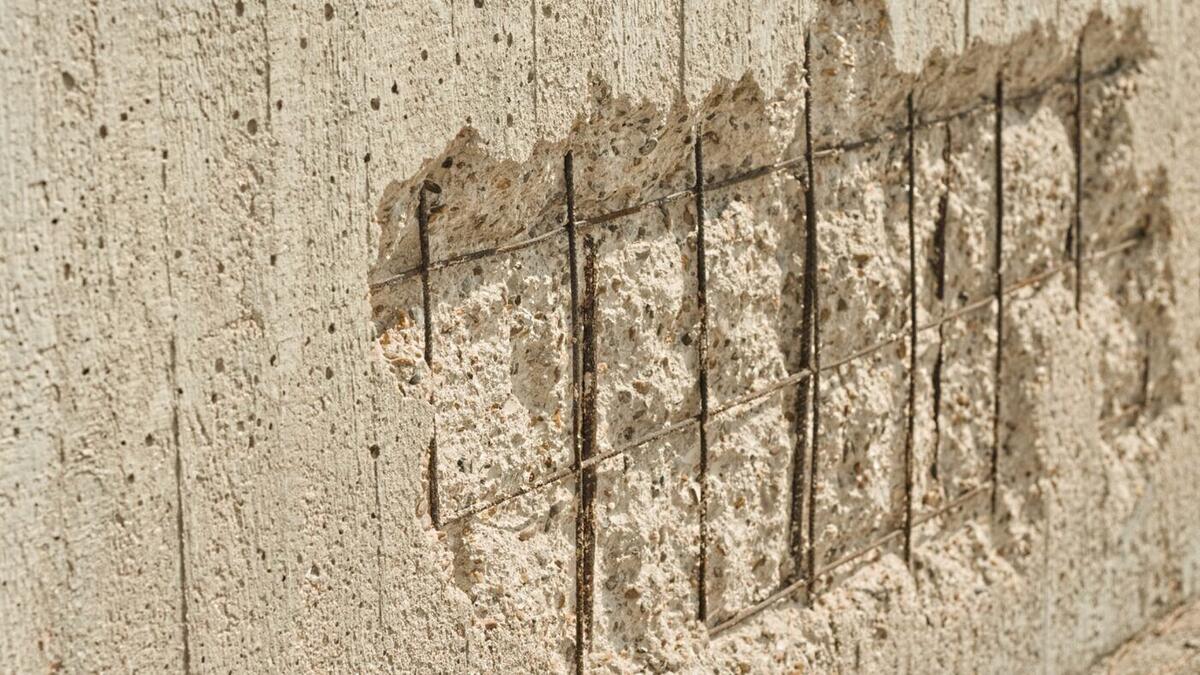
Melbourne's reinforced concrete buildings from the 1960s, 70s, and 80s present a significant investigation challenge. Low-cover concrete placed under pre-AS 3600 standards is now carbonating through to the reinforcement layer in many structures, initiating corrosion that causes cracking, spalling, and potential structural compromise. Carpark structures are particularly affected, with chloride ingress from de-icing salts compounding the carbonation problem in multi-storey facilities.
The Owners Corporations Act 2006 and the Building Act 1993 govern building defect liability in Victoria. VCAT building disputes are adjudicated under a framework that requires expert engineering evidence to meet specific procedural standards. Our engineers are experienced in preparing VCAT-compliant reports, attending expert conclaves, and providing oral evidence in VCAT hearings across a range of building dispute matters.
Victoria's alpine and coastal building stock presents distinct investigation challenges. Alpine structures face freeze-thaw cycles that accelerate concrete deterioration and fatigue cracking in connections. Coastal structures in Port Phillip Bay and along the Great Ocean Road face chloride-laden marine environments that drive accelerated corrosion in reinforced concrete and steel structures.
Fire damage investigation is a significant part of our Melbourne practice. Victoria's high bushfire risk results in structural fire investigations for residential and rural properties. Urban building fires require post-fire structural assessments to determine whether the structure can be salvaged or must be demolished, an assessment that requires detailed analysis of the fire exposure, structural system, and residual capacity of the damaged elements.
Coverage area
Melbourne CBD, inner and middle suburbs, Geelong, Ballarat, Bendigo, Mornington Peninsula, and regional Victoria.
Melbourne investigations are coordinated from Brisbane with dedicated site teams. Scheduling typically takes 5 to 10 business days from engagement. Emergency assessments can be arranged with 24-hour mobilisation.
Local context
Melbourne-specific investigation challenges
Climate, geology, building stock, and local legislation all shape the nature of forensic engineering work in Melbourne. Our team understands these local factors.
01 / 04
Carbonation and corrosion in concrete
Melbourne's post-war concrete buildings show advanced carbonation and reinforcement corrosion. We conduct phenolphthalein testing, half-cell surveys, and chloride profiling to assess remaining service life.
02 / 04
VCAT expert witness reports
Victorian building disputes are adjudicated in VCAT. Our engineers prepare compliant expert reports and give oral evidence in VCAT building list proceedings, including strata defect and construction quality matters.
03 / 04
Fire damage structural assessment
Victoria's bushfire and urban fire events generate structural assessment work. We determine residual capacity of fire-damaged elements and provide demolish-or-repair recommendations.
04 / 04
Carpark structure deterioration
Melbourne's multi-storey carparks face both carbonation and chloride ingress. We assess structural condition, quantify repair scope, and specify appropriate repair materials and methods.
Recent investigations
Selected Melbourne projects
- 01
CBD Office Tower Concrete Condition Survey
CommercialCarbonation and chloride assessment across 28-storey 1980s commercial tower, with 5-year maintenance plan
- 02
Inner-Suburb Strata Building VCAT Assessment
StrataDefect investigation for 54-unit complex, expert report and VCAT conclave participation
- 03
Victorian Regional Hospital Fire Assessment
GovernmentPost-fire structural assessment and make-safe design for ward building following electrical fire
Frequently asked questions
Melbourne forensic engineering FAQs
Q01
Can you prepare an expert report for a VCAT building dispute in Melbourne?
Yes. Our engineers prepare expert reports for VCAT Building and Property List proceedings. Reports comply with the Expert Witness Code of Conduct applicable in Victoria and are structured to address the specific issues in dispute. We attend expert conclaves and give oral evidence at VCAT hearings. We work with your legal team from initial engagement through to hearing.
Q02
Do you assess fire-damaged buildings in Victoria?
Yes. Post-fire structural assessment is a standard part of our practice. We assess the extent of structural damage, determine residual structural capacity, and provide demolish-or-repair recommendations. For insurance purposes, we prepare causation reports that establish whether the structural damage was caused by the fire event or pre-existed it. We also design temporary works for make-safe arrangements where the structure requires stabilisation before full investigation.
Q03
How do you test for concrete carbonation in Melbourne buildings?
Carbonation depth is measured by applying a phenolphthalein indicator solution to a freshly broken concrete surface. Carbonated concrete (pH below ~9) remains colourless, while unaffected concrete turns pink. We also take concrete cores for laboratory carbonation measurement, which provides a more precise depth profile. Carbonation depth is compared against cover depth from cover meter surveys to determine whether carbonation has reached the reinforcement and initiated corrosion.
Q04
What does a carpark structural condition assessment involve in Melbourne?
A carpark condition assessment covers the complete structural and waterproofing system. We conduct visual inspection to map deterioration patterns, half-cell potential survey to identify active corrosion zones, carbonation and chloride testing from cores, GPR scanning to identify tendon and reinforcement layout, and waterproofing assessment of the deck membrane and drainage system. The report provides a condition rating for each level and element, with remediation recommendations and cost estimates for capital works planning.
Other locations
We operate Australia-wide
Forensic investigations across all major Australian capital cities and regional centres.