Forensic Investigation / FILE 02
Structural Defect Investigation
Cracks, settlement, and structural distress are symptoms. We find the cause. Our defect investigations combine NDT, material testing, and engineering analysis to determine the mechanism, severity, and required response.
 EVIDENCE / STRUCTURAL-D
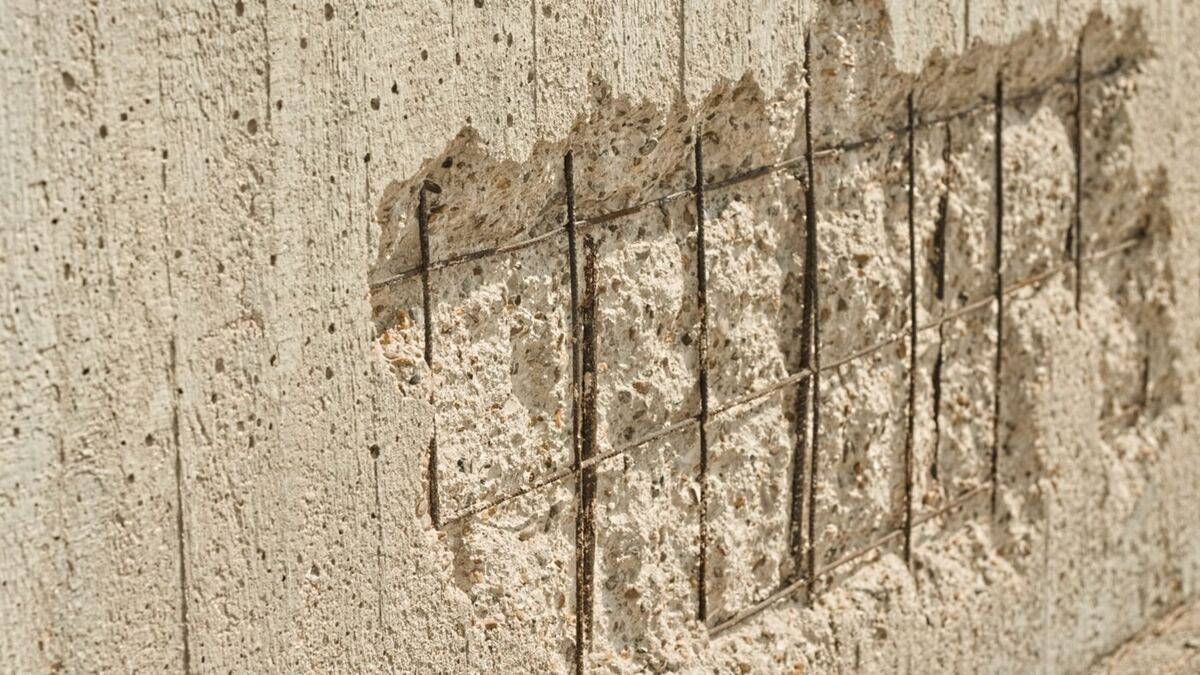
Structural defect investigation identifies the nature, cause, and severity of defects observed in buildings and structures. Common defects include cracking in walls and slabs, foundation settlement and differential movement, water ingress through failed waterproofing, concrete spalling and reinforcement corrosion, and poor workmanship during construction.
Our investigation methodology follows a systematic approach: visual inspection, non-destructive testing (GPR, UPV, thermography), material sampling and laboratory analysis, and structural assessment against relevant Australian Standards. This combination ensures that the root cause is identified rather than just the visible symptom.
We prepare investigation reports for building owners, strata bodies corporate, insurers, solicitors, and regulatory authorities. Reports include photographic documentation, test results, engineering analysis, cause assessment, and remediation recommendations with indicative scope and cost guidance.
Defect investigations frequently require sensitivity to multiple stakeholders. We provide clear, evidence-based findings that enable informed decisions by owners, managers, and their legal advisors.
Capabilities
What we deliver
10 deliverables across the defect investigation engagement.
- 01Cracking pattern analysis and cause determination
- 02Foundation settlement and differential movement assessment
- 03Concrete spalling and reinforcement corrosion evaluation
- 04Waterproofing failure investigation
- 05Construction quality and compliance assessment
- 06Material sampling and NATA-accredited laboratory testing
- 07Structural adequacy assessment to current standards
- 08Remediation scope and cost guidance
- 09Strata defect reports for body corporate
- 10RPEQ-certified defect investigation reports
Process
Our methodology
01
Visual Assessment & Documentation
Detailed visual inspection of all reported defects with photographic documentation, crack width measurement, and preliminary assessment of structural significance.
02
Non-Destructive Testing
GPR scanning, UPV testing, cover meter surveys, thermography, and other NDT techniques deployed to assess the extent and cause of defects beyond the visible surface.
03
Material Sampling & Lab Analysis
Concrete coring for compressive strength, carbonation depth, and chloride profiling. Samples submitted to NATA-accredited laboratories for certified testing.
04
Engineering Assessment & Reporting
Structural analysis against relevant Australian Standards, root cause determination, severity classification, and detailed remediation recommendations with scope guidance.
Use cases
Common applications
- Residential cracking and settlement investigation
- Strata building defect assessment (BIFA/DBPA)
- Commercial building defect disputes
- Pre-purchase structural assessment
- Post-construction quality audits
- Body corporate defect claims
- Waterproofing failure analysis
- Construction warranty dispute support
Frequently asked questions
4 questions answered.
Q01
What types of structural defects do you investigate?
We investigate all categories of structural defects including cracking in concrete, masonry, and render; foundation settlement and differential movement; concrete spalling and reinforcement corrosion; waterproofing failures; non-compliant construction; inadequate structural design; and damage from external events. Each investigation is tailored to the specific defect type and the building system involved.
Q02
How do you determine if a crack is structural?
We assess crack width, orientation, location, pattern, and progression over time. Cracks wider than 0.3mm in reinforced concrete or showing displacement across the crack face are typically considered structurally relevant under AS 3600. We use crack gauges, tell-tales, and monitoring to determine whether cracking is active or stable. Non-destructive testing reveals the depth and internal extent of cracking that is not visible on the surface.
Q03
Can you investigate defects in strata buildings?
Yes. Strata defect investigation is one of our core services. We prepare reports suitable for body corporate proceedings under the Body Corporate and Community Management Act (QLD), Strata Schemes Management Act (NSW), and Owners Corporations Act (VIC). Reports address common property defects, identify responsible parties where possible, and provide remediation cost estimates for levy planning.
Q04
How long does a defect investigation take?
Timelines depend on the building size and defect complexity. A single-dwelling investigation typically takes 2 to 3 weeks from site inspection to final report. Multi-storey strata investigations may require 4 to 8 weeks depending on access requirements, the number of units affected, and the scope of laboratory testing required. We provide a timeline estimate at engagement.
Related
Related services
- 01Forensic EngineeringRoot cause failure analysis for structural collapses, defects, and disputes.
- 02Building Condition AssessmentFull building surveys, dilapidation reports, and capital works planning.
- 03Concrete Coring & Laboratory TestingNATA-accredited material testing for compressive strength, carbonation, and chloride analysis.
- 04Crack Movement MonitoringDistinguishing seasonal movement from progressive structural cracking with precision sensors.