 01 / 04
Division
FILE / 2026 / FORENSIC RECORD
We investigate building failures, scan and test concrete, monitor live structures, and design the repair. RPEQ registered, NATA accredited, and engaged by insurers, lawyers, body corporates, and asset owners across Australia.
Status
Active
Engineer
RPEQ
Coverage
AU-Wide
Response
24 hr
Practice areas
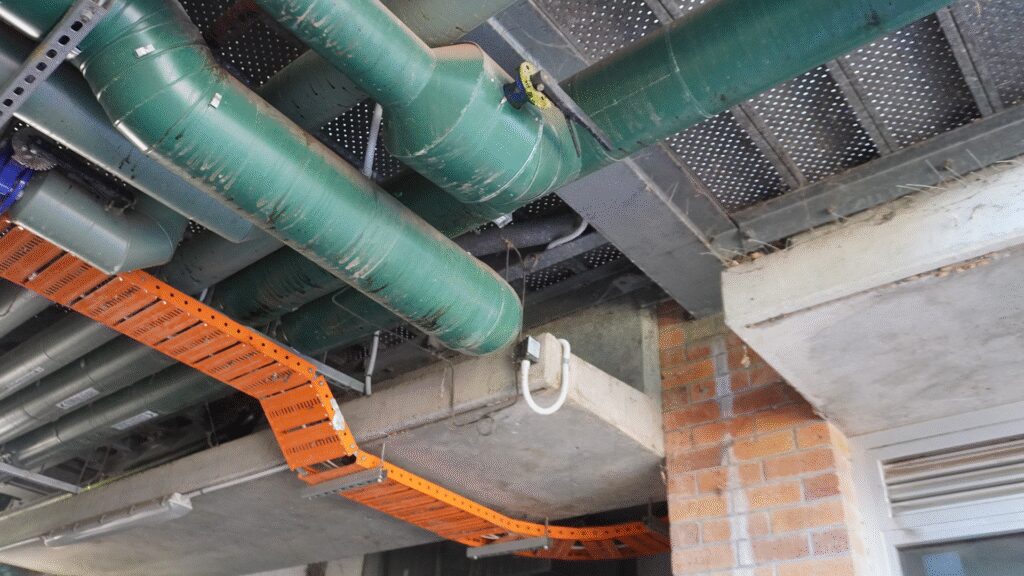
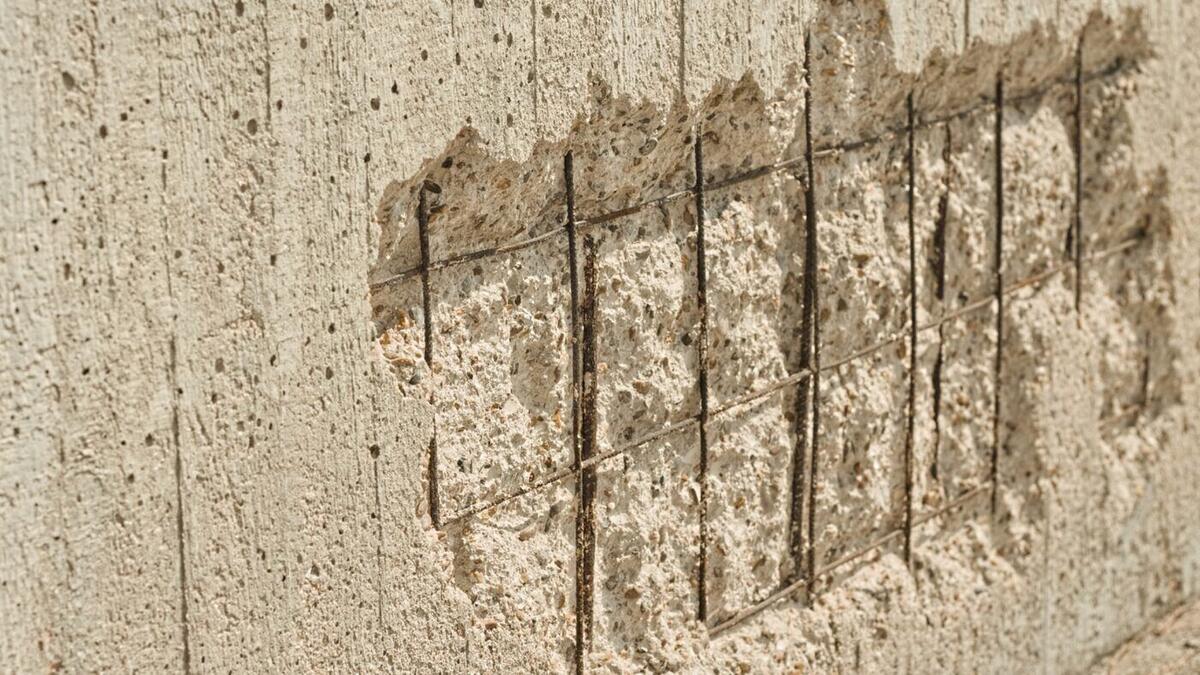
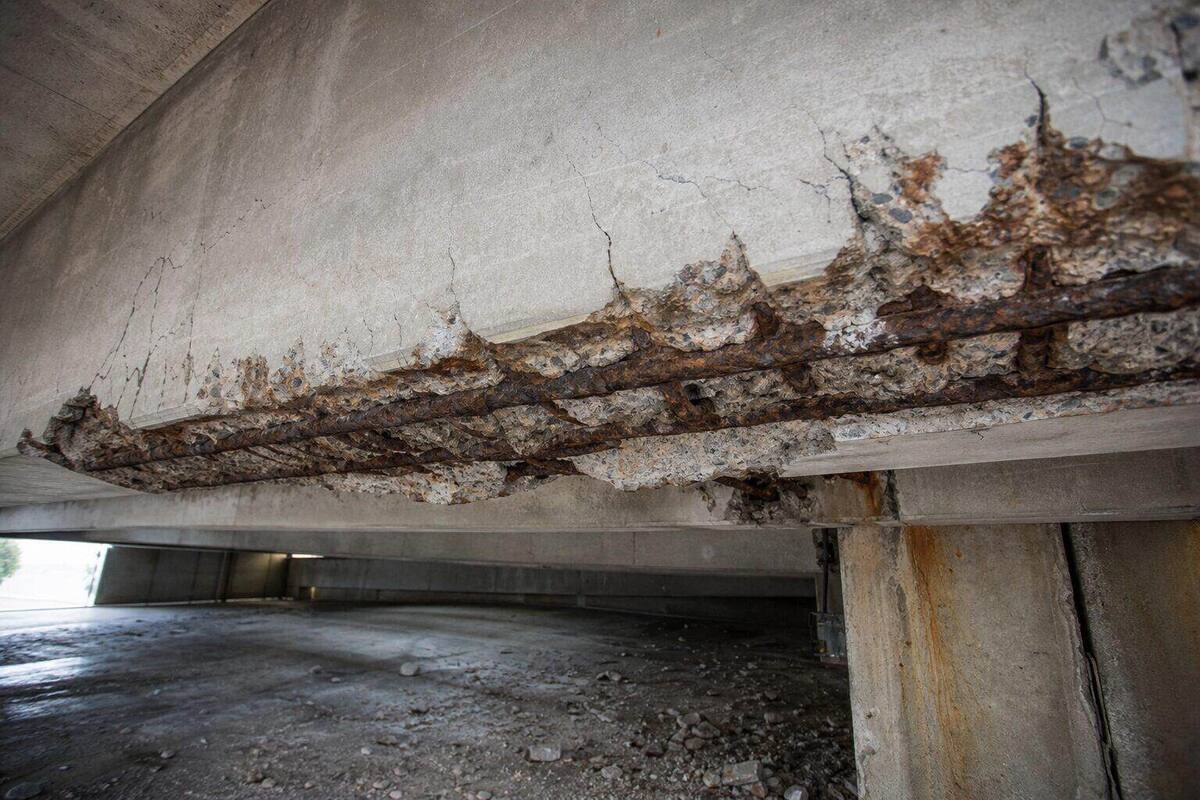
Forensic investigation, non-destructive testing, structural health monitoring, and remediation design. Each discipline operates as a stand-alone service or as part of a combined investigation programme.
01 / 04Division
 02 / 04
Division
 03 / 04
Division
 04 / 04
Division
Recent investigations
Photographic excerpts from active and recent files. Detailed case studies are kept on request, and all client identifying information is removed before circulation.
Open the project archive →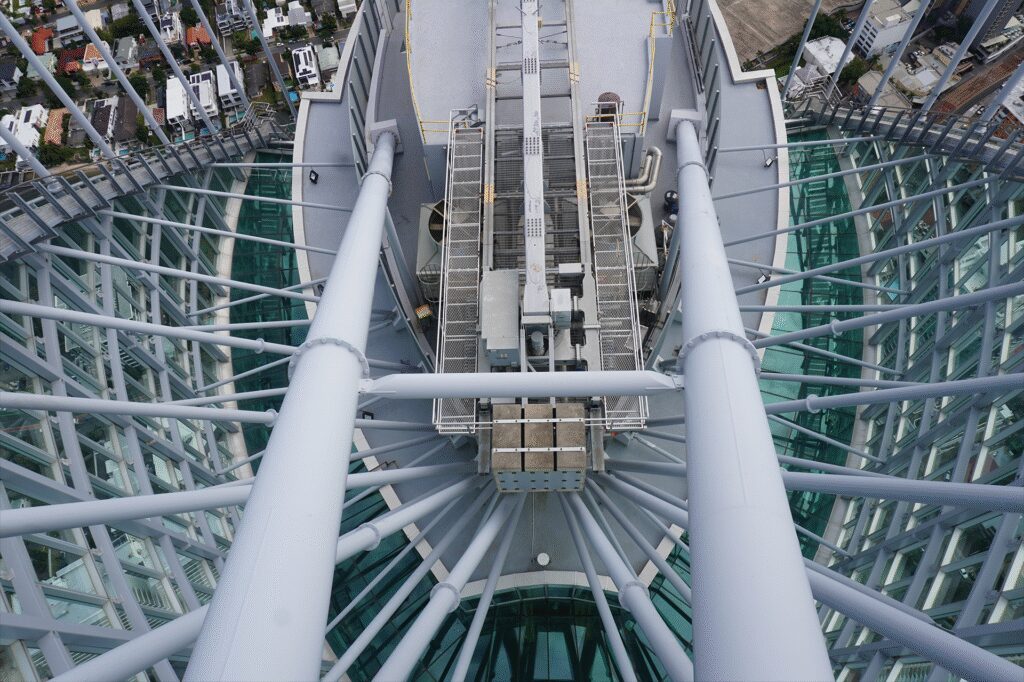 DOSSIER / 001
STRATA
Q1 Tower Disaster Response
Surfers Paradise, QLD
 DOSSIER / 002
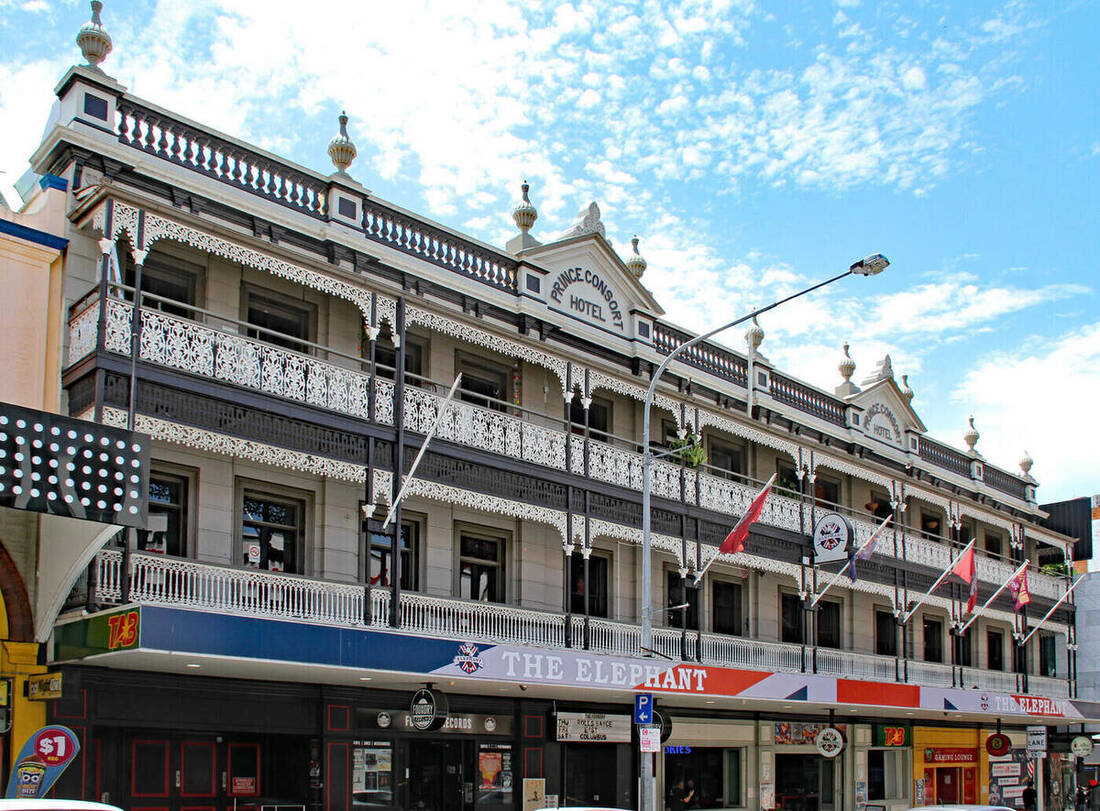
HERITAGE
Prince Consort Heritage Assessment
Fortitude Valley, QLD
 DOSSIER / 003
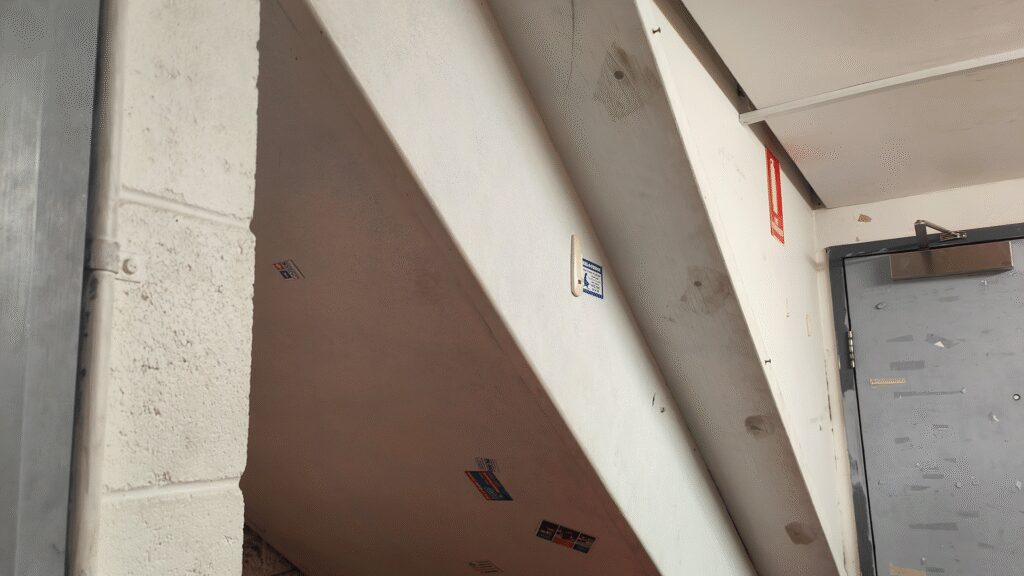
HOSPITALITY
Willow Hotel Structural Investigation
Brisbane, QLD
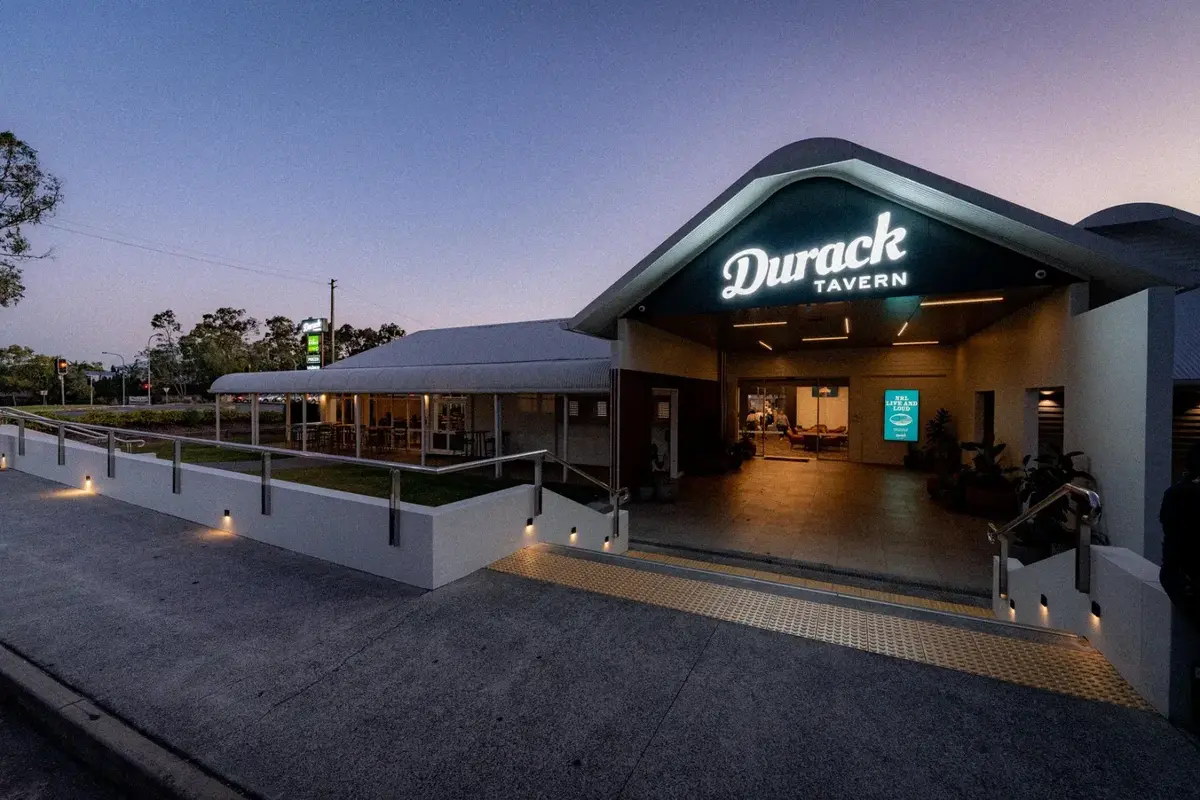 DOSSIER / 004
COMMERCIAL
Durack Tavern Refurbishment Investigation
Durack, QLD
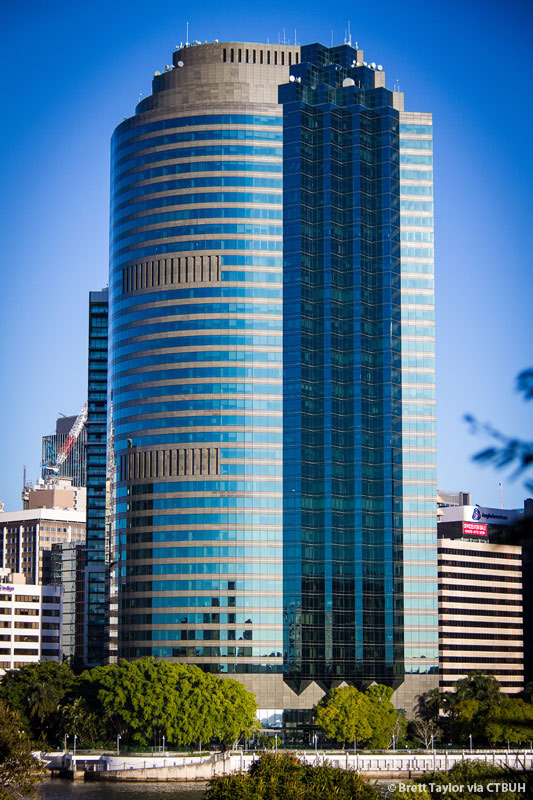 DOSSIER / 005
COMMERCIAL
Waterfront Place Condition Assessment
Brisbane CBD, QLD
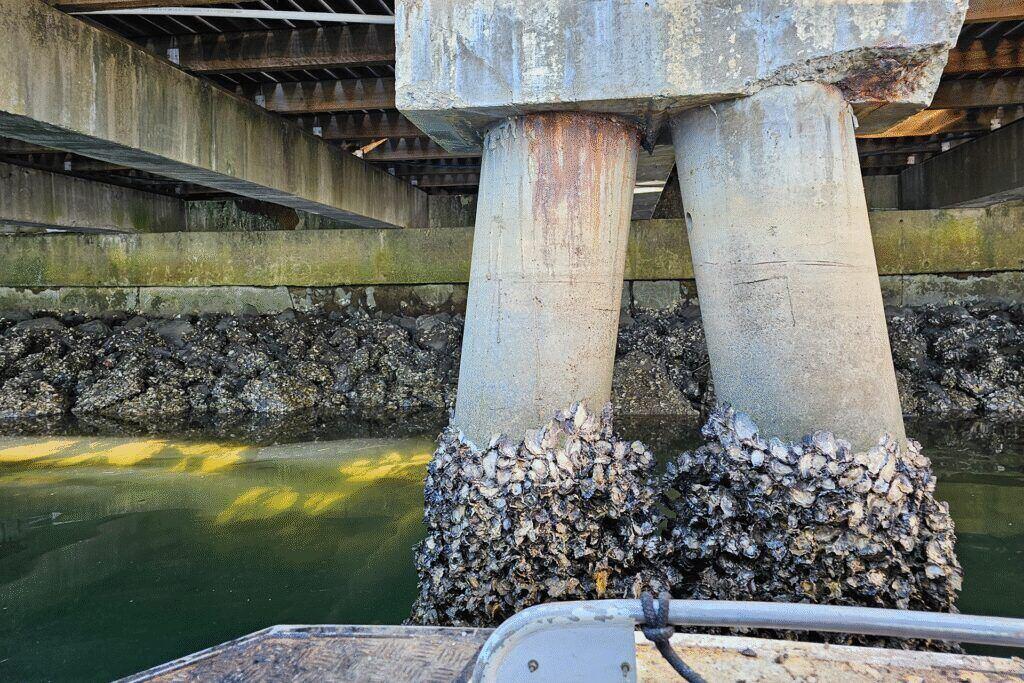 DOSSIER / 006
INFRASTRUCTURE
Marine Pier Coastal Inspection
Gold Coast, QLD
Investigation methodology
Every investigation follows the same four phases. Findings from one phase determine the scope of the next, so we never sample before we’ve scanned, and we never report before we’ve analysed the laboratory results.
PHASE 01
/1.4Engagement scoping, document review, and an RPEQ-led walk-through. Distress patterns, environmental drivers, and access constraints are recorded as the basis for the test programme.
PHASE 02
/2.4GPR, UPV, half-cell, thermography, and rebound hammer surveys executed against AS 1012 and AS 4349. Sampling locations are selected from NDT findings, never assumed.
PHASE 03
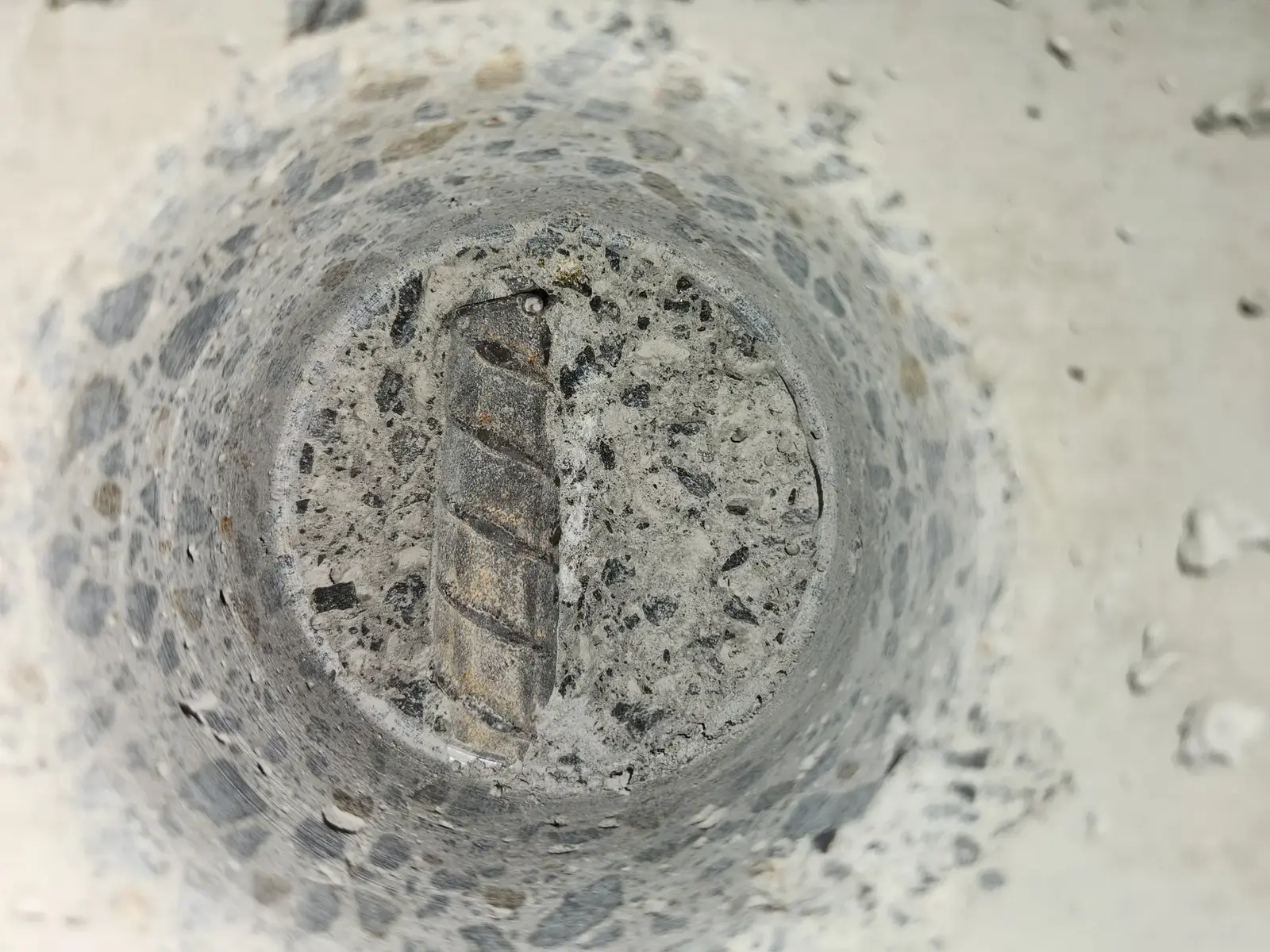
/3.4Cores, dust samples, and material extraction sent to NATA-accredited laboratories for compressive strength, carbonation, chloride, petrography, and corrosion potential testing.
PHASE 04
/4.4Findings consolidated into an RPEQ-signed report identifying mechanism, cause, severity, and remediation path. Reports are written to satisfy insurer, tribunal, and court evidentiary standards.
Sectors we serve
Sector-specific reporting standards, evidence handling, and stakeholder communication. Each engagement is scoped to the level of certainty your sector demands.
See all sectors →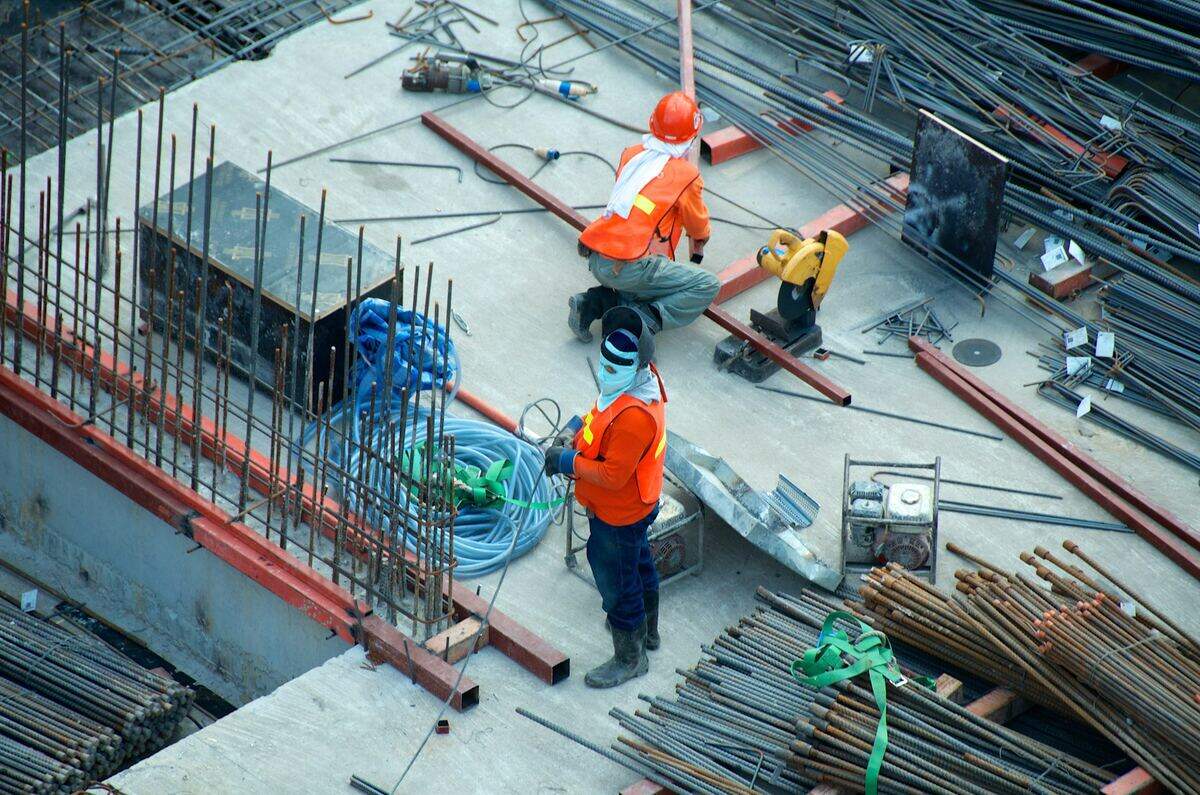 01
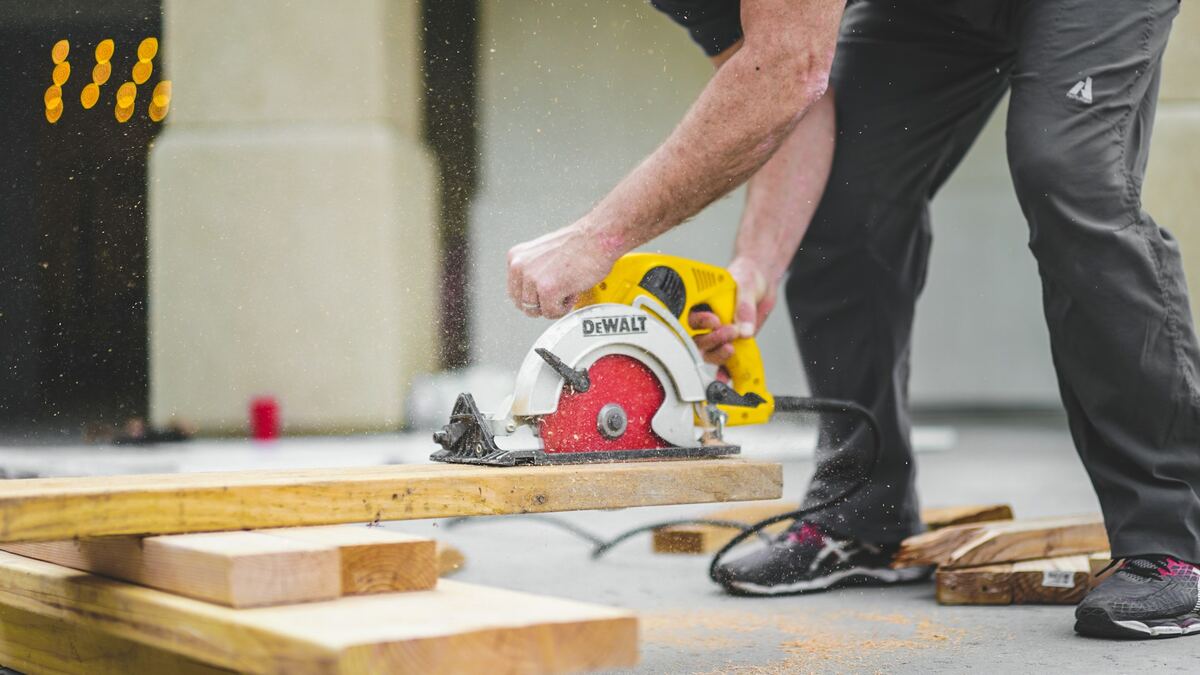
01Insurance
Damage assessments, scope-of-works validation, and expert reports for residential and commercial claims.
 02
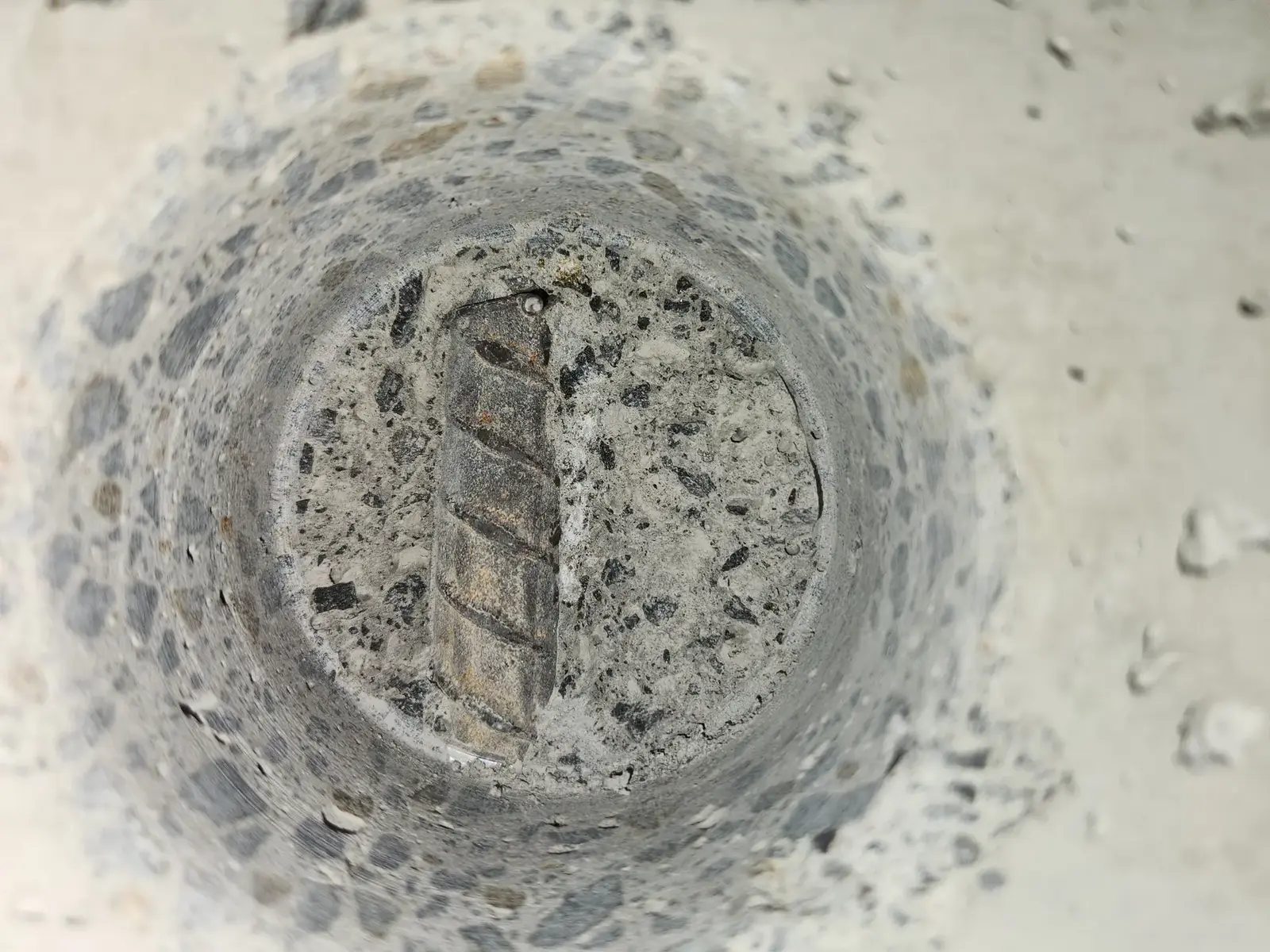
02Legal & Litigation
Court-ready expert witness reports, joint conferencing, and tribunal support for QCAT, NCAT, and VCAT.
 03
03Strata & Body Corporate
Common property investigations, defect claims, and capital works planning for residential schemes.
 04
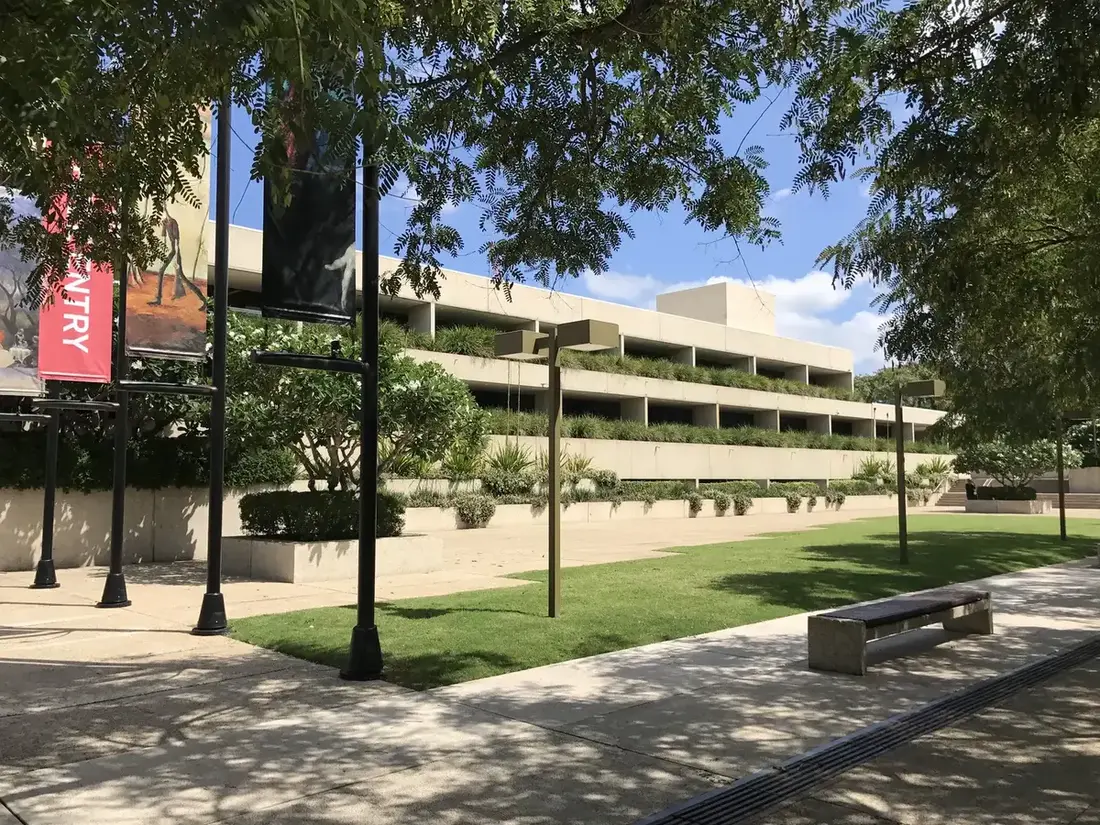
04Construction
QA testing, defect identification, and compliance verification for developers, builders, and certifiers.
 05
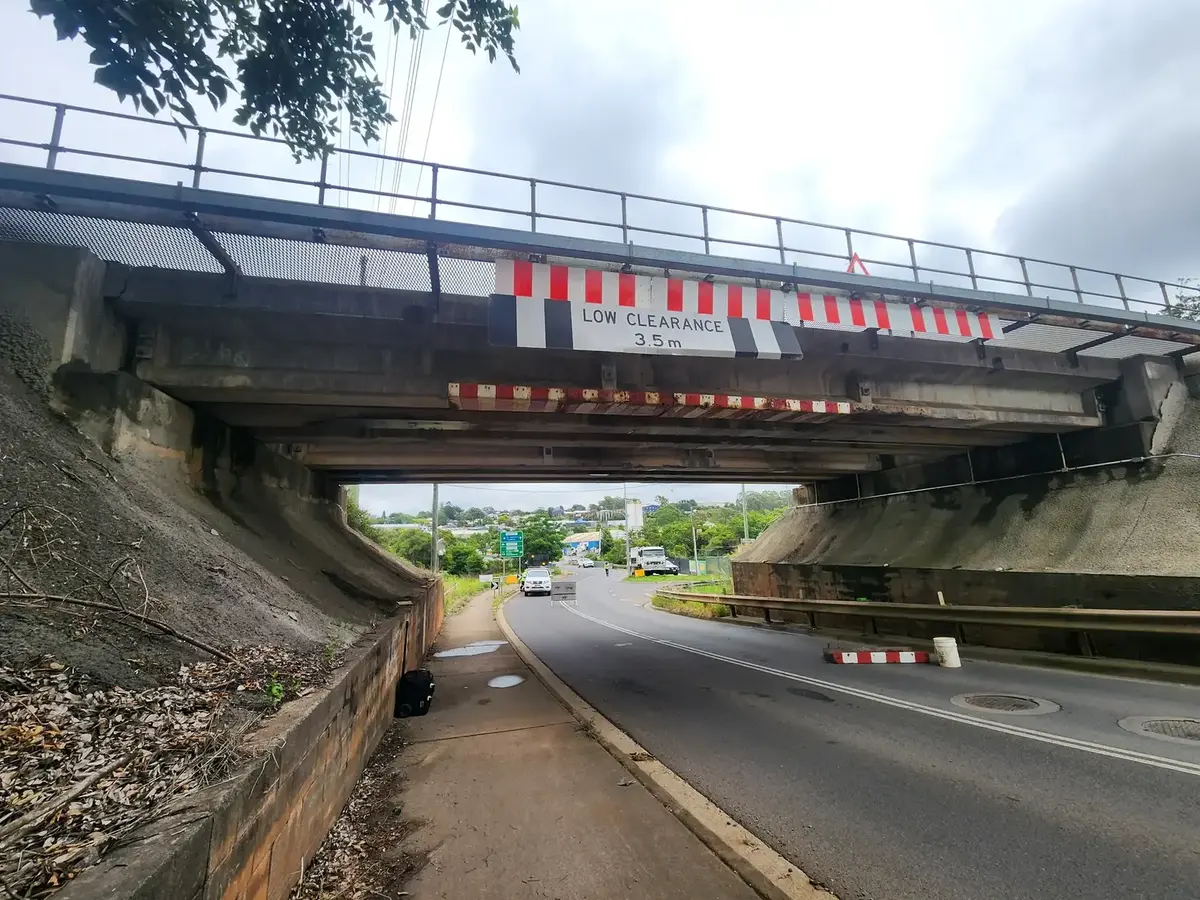
05Government & Council
Asset condition assessments, life-cycle planning, and capital works programmes for public infrastructure.
 06
06Infrastructure
Bridge, tunnel, and marine structure inspections with durability modelling and remaining life forecasts.
Compliance stack
About forensic engineering
Forensic structural engineering is the application of engineering analysis to determine why a building or structure has failed, developed defects, or behaves in a way that was not intended. It combines field investigation, non-destructive testing, material sampling, laboratory analysis, and structural modelling to establish a clear chain of causation. The findings are used to resolve insurance claims, tribunal proceedings, body corporate disputes, and regulatory investigations.
Forensic Engineering Group is an independent practice. We are not connected to any contractor, insurer, materials supplier, or government panel. Our engineers are registered with the Board of Professional Engineers of Queensland (RPEQ), chartered through Engineers Australia (CPEng), and our laboratory testing is conducted under NATA accreditation to ISO/IEC 17025. Independence and technical rigour are the two things our clients rely on most.
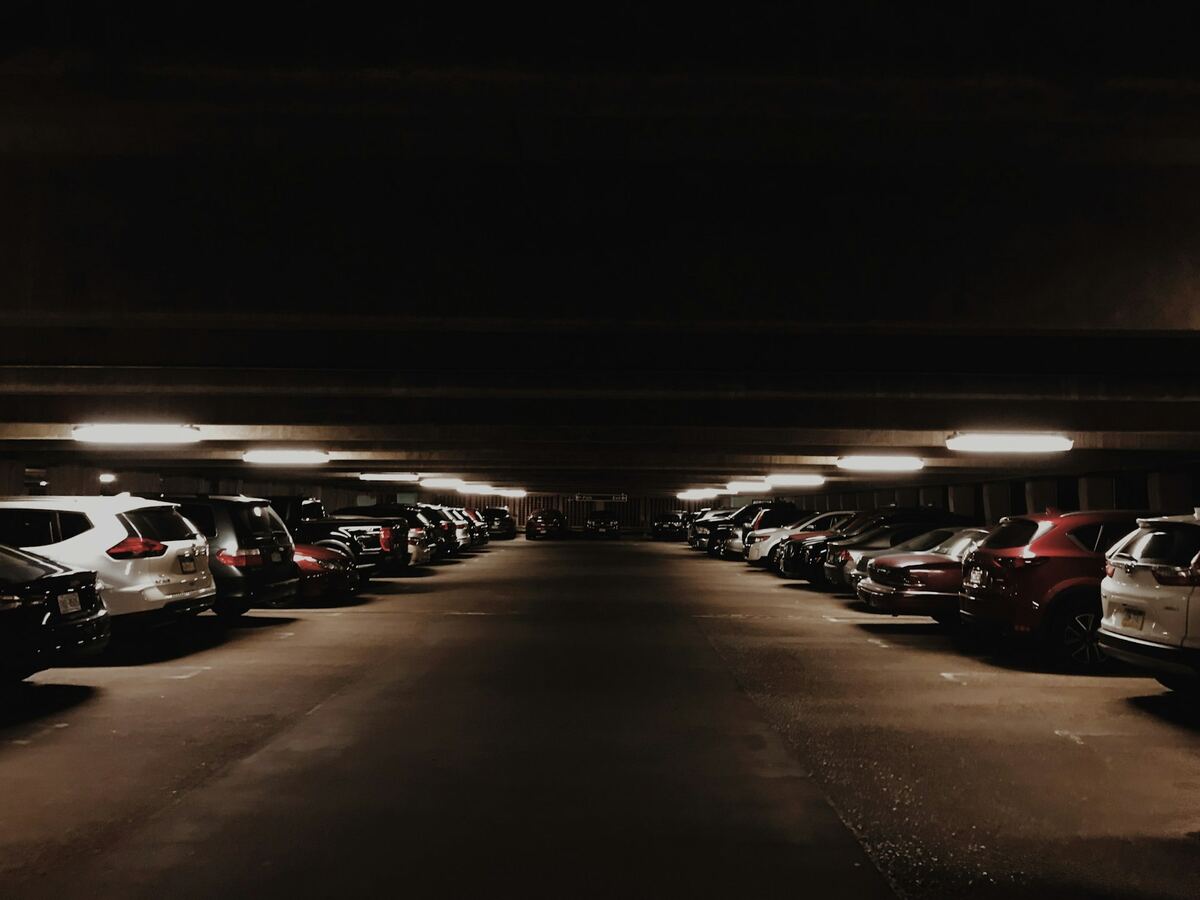
We investigate all structural systems and building types. Reinforced concrete is the most common, covering post-tensioned slabs, carpark structures, highrise towers, bridges, and retaining walls. Masonry structures - brick, blockwork, and stone - are common in heritage and residential investigations. Steel-framed structures are investigated for weld failures, connection fractures, and fatigue cracking. Timber structures are assessed for fungal decay, termite damage, and structural inadequacy. Each material has distinct failure modes that require specific testing and analysis methods.
Our clients include insurance companies and loss adjusters requiring damage causation reports, solicitors and barristers requiring expert witness evidence for building disputes, body corporate committees and strata managers investigating defects in common property, developers and builders responding to defect liability claims, asset managers planning capital works programmes for ageing buildings, and government authorities requiring infrastructure condition assessments. We accept engagements from any party, provided we can maintain the independence that forensic work requires.
Most investigations use both. Non-destructive testing (NDT) - GPR scanning, UPV, infrared thermography, half-cell potential mapping - allows us to survey large areas rapidly without damaging the structure. NDT identifies where problems exist and guides the selection of locations for targeted laboratory sampling. Concrete cores, dust samples, and material extractions are then sent to NATA-accredited laboratories for compressive strength, carbonation, chloride profiling, and petrographic analysis. The combination of NDT and laboratory results produces findings that are both spatially comprehensive and chemically precise.
Common questions
Q01
Investigation fees depend on building type, defect complexity, and testing scope. A residential single-dwelling investigation typically starts at $2,500 to $4,500. Multi-storey strata investigations range from $8,000 to $30,000. We provide a fixed-fee proposal after an initial scoping call at no charge. Call us on +61 7 3132 2534 or submit a brief online.
Q02
For urgent structural failures, collapses, or post-event situations, we can mobilise within 24 hours nationally. Brisbane and South East Queensland emergencies can be attended same-day. We triage all requests on structural risk and provide a preliminary verbal assessment on site, followed by a written report within 48 to 72 hours.
Q03
Yes. Our reports comply with the Expert Witness Code of Conduct and the Uniform Civil Procedure Rules applicable in each Australian jurisdiction. Our engineers give oral evidence in QCAT, NCAT, VCAT, District Court, and Supreme Court. Reports disclose all methodology, assumptions, limitations, and the basis for each opinion.
Q04
A building inspection documents current condition at a point in time. Forensic engineering investigates causation: why a defect occurred, how it developed, what mechanisms are driving it, and who is responsible. Building inspections are adequate for pre-purchase due diligence. Forensic investigation is required when causation and liability matter.
Q05
Yes. The majority of our work involves structures designed and built by others. Independence from the original designer and builder is fundamental to forensic work. We review original drawings, specifications, and records against the as-built condition and form evidence-based opinions without any commercial relationship with the parties involved.
Q06
Our standard investigation toolkit includes GPR concrete scanning, ultrasonic pulse velocity testing, infrared thermography, half-cell potential corrosion mapping, concrete resistivity, cover meter surveys, Schmidt hammer testing, concrete coring for laboratory analysis (compressive strength, carbonation, chloride profiling, petrography), and structural health monitoring sensors.
Q07
Yes. We operate nationally from our Brisbane head office. Regular investigation programmes run in Sydney, Melbourne, Gold Coast, Perth, and Adelaide. We can deploy to any location in Australia for inspection programmes. Travel costs are included in the fee proposal.
Q08
Call us on +61 7 3132 2534 or submit a brief through our contact page. We respond within one business day with a scope and fee proposal. For urgent structural situations, call directly and we will triage immediately. You do not need to have all information ready before contacting us - a brief description of the situation is enough to start.
Client testimony
Insurers, law firms, strata managers, and asset owners across Australia.
CASE / 001
“Their forensic report identified the root cause within two weeks and held up through the entire QCAT process. Clear, well-structured, and defensible. The other side did not challenge the technical findings.”
CASE / 002
“We engaged them for an insurance damage assessment after our initial claim was partially declined. Their independent report identified structural damage that the first assessor missed. The revised claim was accepted in full.”
CASE / 003
“The construction monitoring programme gave us complete confidence during our basement excavation. Real-time alerts, weekly reports, and a clean close-out with zero damage to adjacent properties.”
CASE / 004
“Their corrosion investigation saved us from a full concrete replacement programme. Half-cell mapping showed active corrosion on only 35 percent of the structure. Targeted remediation cut our costs by more than half.”
CASE / 005
“Fast, thorough, and straightforward. They responded within 24 hours of our cyclone damage event, secured the site, and delivered the structural assessment report before our internal deadline.”
CASE / 006
“We use their condition assessment reports to plan our 10-year capital works programme. The element-by-element rating and cost forecast format translates directly into our sinking fund budget.”
Case intake
Insurance claim, tribunal proceeding, body corporate dispute, or urgent post-event assessment - we triage, scope, and quote within one business day. Emergency call-out within 24 hours nationally.