How we work
Our investigation methodology.
Every investigation follows four structured phases. Findings from one phase determine the scope of the next. We never sample before we have scanned, and we never report before we have the laboratory results.
Brief & Site Inspection
Every investigation begins with a structured engagement process. We review the brief submitted by the client, identify the scope of the investigation, and confirm access requirements and constraints. A site visit is then conducted by an RPEQ-registered structural engineer.
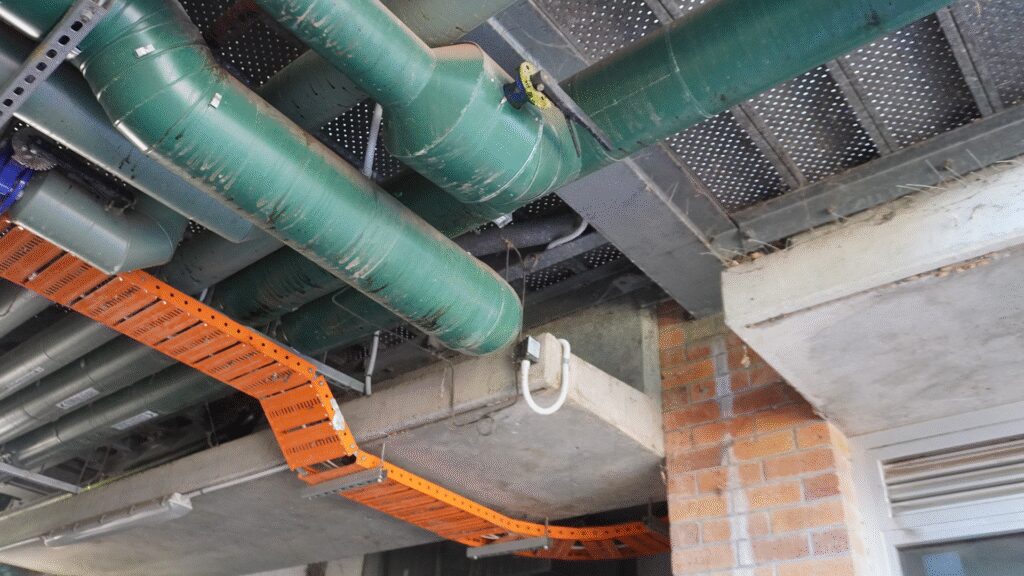
On site, the engineer conducts a systematic visual inspection of the structure, recording all observed distress indicators: crack locations, orientations, widths, and patterns; evidence of moisture ingress and staining; concrete surface condition including spalling, delamination, and carbonation discolouration; exposed reinforcement; and evidence of prior repairs.
Photographic documentation follows a structured protocol: orientation shots establishing context, mid-range shots showing the full extent of each defect, and close-up shots with a scale reference. Every photograph is geotagged and timestamped. Physical measurements are taken for crack widths using calibrated gauges, and coverage measurements are taken using a cover meter.
The findings from the visual inspection are used to define the non-destructive testing programme. We never assume a testing pattern in advance - the NDT scope is defined by what is found on site. This means testing resources are concentrated where the evidence indicates problems exist.
Non-Destructive Testing
Non-destructive testing surveys the structure using physical and electromagnetic techniques that do not damage the building fabric. The NDT programme is defined by the Phase 1 findings and typically combines several complementary methods to build a complete picture of internal conditions.

Ground-penetrating radar (GPR) scanning maps reinforcement layout, cover depths, post-tensioning tendon paths, embedded conduits, and internal voids. Scanning is performed in systematic grids across all areas of interest identified in Phase 1. Results are processed to produce B-scan profiles and, where warranted, 3D volume renderings.
Half-cell potential mapping surveys all reinforced concrete elements in the investigation scope. The survey produces a spatial map of corrosion probability, distinguishing active corrosion zones from passive areas. This guides core sampling locations in Phase 3 - we take cores where the electrochemistry indicates corrosion is active, not at arbitrary locations.
Ultrasonic pulse velocity (UPV) testing maps concrete quality variations, identifies crack planes, and assesses fire-damaged or deteriorated zones. Infrared thermography, where applicable, identifies delamination patterns and moisture zones in building facades and roof membranes. Cover meter surveys establish reinforcement cover depths at representative locations.
All NDT results are processed and mapped against the Phase 1 defect records. The combination of visual assessment and NDT data produces a spatial understanding of the structure that guides Phase 3 sampling to the locations where laboratory results will be most informative.
Sampling & Laboratory Analysis
Physical samples are extracted from locations identified through Phase 1 and Phase 2. All coring locations are pre-scanned with GPR and Ferroscan to confirm clearance from reinforcement, post-tensioning tendons, and embedded services. Cores are extracted using diamond-tipped drill equipment.
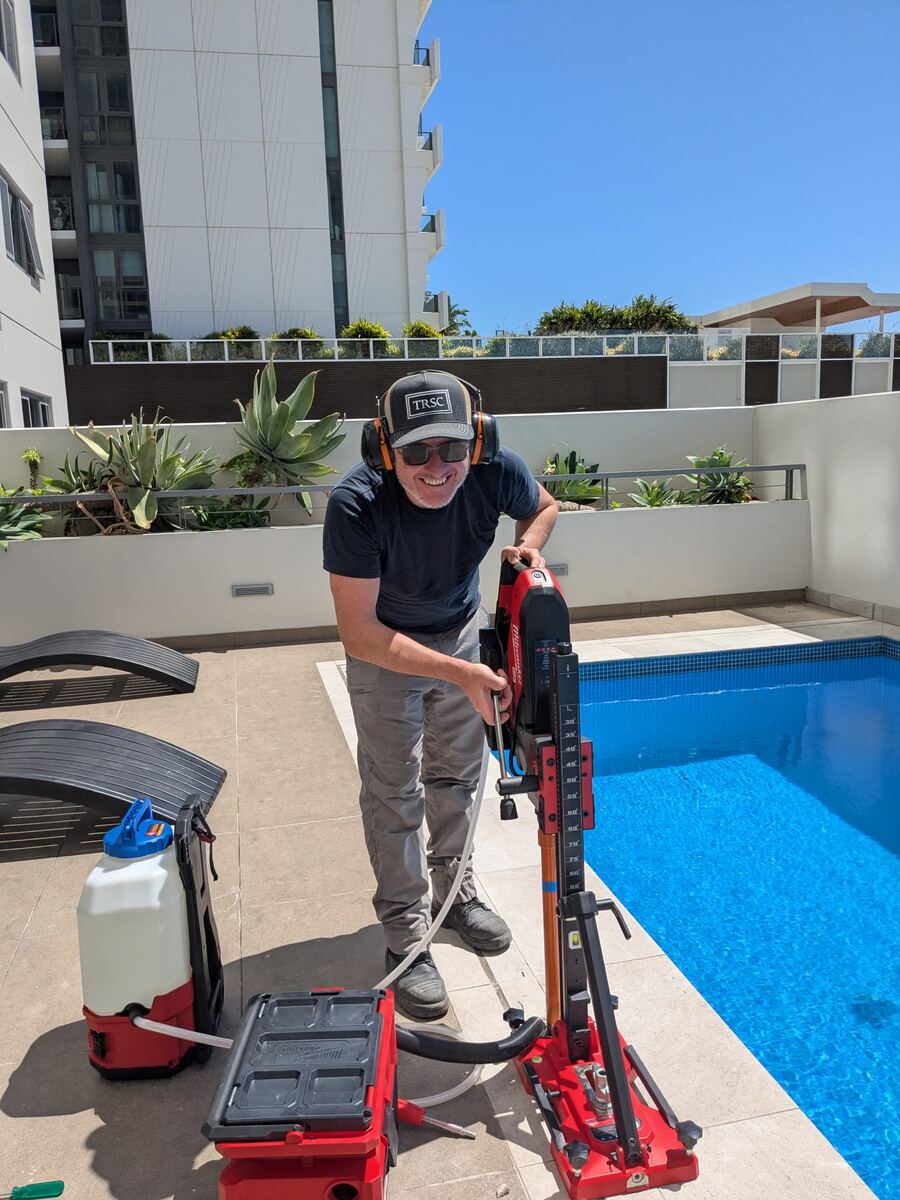
Concrete cores of 50mm, 75mm, or 100mm diameter are extracted and delivered to NATA-accredited laboratories. Standard testing includes compressive strength to AS 1012.9, carbonation depth by phenolphthalein indicator and measurement, chloride ion content to AS 1012.20 at multiple depth increments to produce a chloride depth profile, and where warranted, petrographic analysis by thin-section microscopy.
Dust samples are extracted at incremental depths for chloride analysis where cores are not appropriate. Material samples of deteriorated concrete, mortar, grout, or sealant are collected for chemical analysis. Water samples are collected from active ingress points where chemical contamination is suspected.
Laboratory results are received with full NATA-accredited test certificates. Each result is traceable to the sample location on site through the chain-of-custody documentation maintained from extraction through delivery. Results are compared against the relevant Australian Standards thresholds: chloride content is compared against the corrosion initiation threshold from AS 3600 Appendix C; compressive strength is assessed against the design specification where available.
The laboratory phase typically takes 2 to 3 weeks. Expedited results are available from most NATA laboratories within 5 business days for critical investigations.
Diagnosis & Report
All data from the three preceding phases is consolidated and analysed by the RPEQ-registered engineer of record. The analysis establishes the failure mechanism, the root cause of that mechanism, and the chain of causation connecting the mechanism to the observed distress.
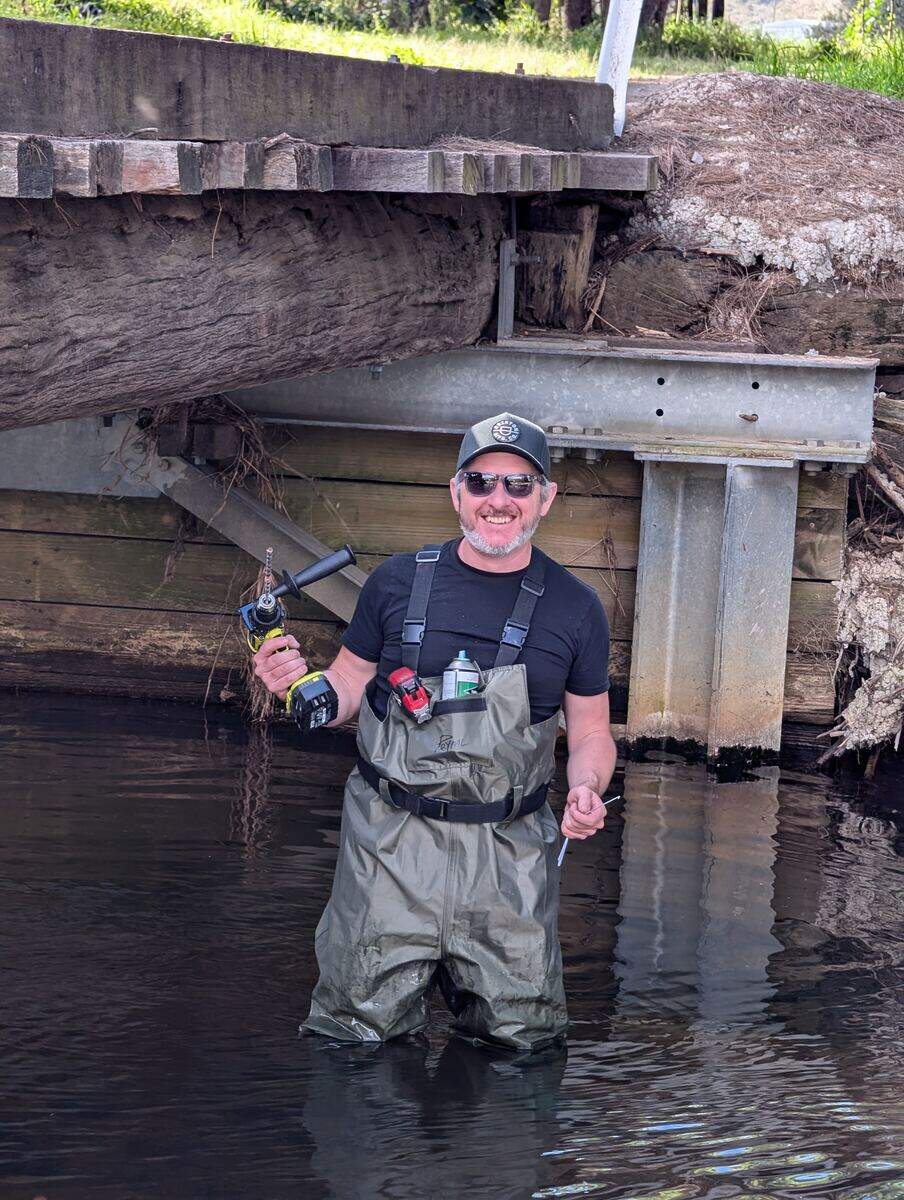
The forensic analysis integrates the visual inspection findings, NDT survey results, and laboratory data into a single coherent picture. Structural calculations are performed where required to assess adequacy against the relevant loading standards. The analysis identifies not only what failed, but why it failed - whether the cause was design deficiency, construction deficiency, inadequate maintenance, external event, or a combination.
Where the investigation is for legal or insurance purposes, the analysis specifically addresses the questions raised by the brief: was the damage caused by the insured event? Was the defect caused by the contractor? Does the structure meet the standards in effect at the time of construction? Each opinion is expressed clearly with the supporting evidence identified.
The report is structured for multiple audiences. The executive summary is written in plain language accessible to non-technical readers. The technical sections disclose all methodology, testing standards, assumptions, and limitations. The appendices contain the complete photographic record, NDT results, laboratory certificates, and supporting calculations. The report is reviewed and signed by the RPEQ engineer of record.
Reports for legal proceedings comply with the Expert Witness Code of Conduct applicable in the relevant jurisdiction and are structured to satisfy the requirements of the UCPR or equivalent court rules. They include the engineer's declaration as required by those rules.
Start an investigation
Ready to open a file?
Describe your situation and we will scope the investigation and provide a fixed-fee proposal within one business day.